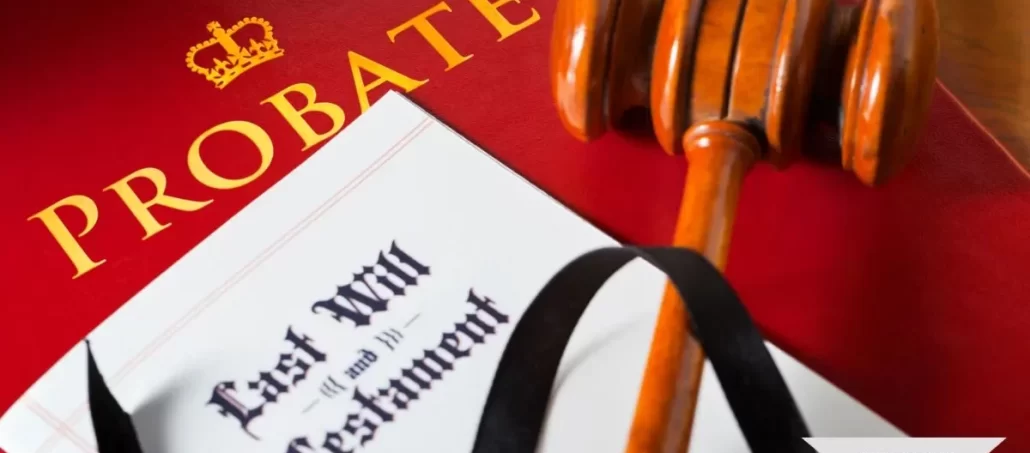
The California probate process should factor into any estate plans you make, especially considering the extra steps needed to go through probate. As with any legal process, you need to have a basic understanding of probate to comprehend the estate planning process. Most individuals believe that the last will should be used to transfer assets. This is undoubtedly an option, but you should be aware that the will would enter the probate process after your death. The probate process is not always bad, and it can offer protection to those parties who are interested. However, it can also make it more difficult for the estate’s legitimate heirs.
Biggest Drawbacks to the Probate Process
Although the probate process may be necessary for some situations, each estate is different, and the factors that seem amenable to one guarantor may be unusable for another. Anything from trial lengths to the costs and fees associated with the probate process can be a big problem for other estates, and with unclear wills or public hearings, the probate process can create a messy situation for any possible beneficiaries. Some of the biggest areas of frustration relating to the probate process include:
- Time: The length of time it takes for the legal procedure to be finished is one of the probate process’s main drawbacks. There are set deadlines for each phase in this official process, which requires the assistance of a personal representative to guide the estate through the legal requirements. For instance, the assets of the estate are unavailable to beneficiaries for four months so that creditors can file a claim. If the inheritors are in dire need of their inheritance, this may put them at a serious disadvantage.
- Money: The expense of probate is another considerable drawback of the process. There are costs associated with issuing notices to creditors, paying court and filing fees, and other charges that could reduce the value of the estate, leaving less for the beneficiaries. On top of the filing fees and other expenditures, there may also be fees paid to the estate’s representative, legal institutions, accounting services, and professional appraisers. When these services are required, the money may be properly spent, but when all of them are paid for at once, the value of the estate may be diminished, leaving less money for the heirs and beneficiaries.
- Publicity: Some people might not want their private information made public because probate is a subject of public records. The “public option” can, however, lead to a disagreement over the will when the estate is complicated and leaves several possible heirs, beneficiaries, and creditors with potential claims. Probate guarantees that the procedure is governed by the law and that public disclosures are made, but it also allows any entity with a possible interest to assert a claim against the estate, which can make the administration of the will more difficult. Plus, some people value their privacy, and making your will a matter of public record can reveal information about the deceased individual that may be hard to handle.
Many of the difficulties of probate can be avoided with careful estate planning. A living trust is a great tool for transferring real estate, money or bank accounts, cars, and other personal property to beneficiaries in a tidy, timely, and private manner. The contents of a living trust do not become public records, in contrast to a final will and testament, preserving the privacy of heirs and beneficiaries. Another way to transfer real estate to a surviving spouse without going through probate is through a community property agreement.
FAQs
Q: What Is the Biggest Disadvantage of the Probate Process?
A: Depending on each case, the most detrimental drawback of the probate process can vary. There are numerous drawbacks to probating a will. The probate procedure is expensive, drawn-out, and intrusive. The costs associated with the court, legal counsel, personal representatives, bonds, and accounting all add up and can create a much bigger ordeal than expected.
Q: What Assets Are Exempt From Probate in California?
A: By operation of California probate law, any type of property that the deceased did not own personally is regarded as non-probate property. These common assets are specifically given to your heirs by way of your will and do not have a specific beneficiary tied to their title. They could be anything, including vehicles, personal goods, life insurance policies, real estate, and accounts with transfers on death.
Q: Can You Settle an Estate Without Probate in California?
A: According to the California Probate Code, estates with a value of $166,250 or less do not need to be probated for decedents who passed away before April 1, 2022. Deaths occurring on or after April 1, 2022, are subject to a $184,500 threshold. If the estate has a value greater than this, probate is required.
Q: When Can You Avoid Probate in California?
A: The best way to make sure your loved ones avoid the hassle of the probate process is to have a thorough estate plan in place. Such a plan should include the following:
- A trust
- A comprehensive will
- Transfer-on-death deeds
- Payable-on-death designations
- Joint titling of certain assets of value
These can all increase your likelihood of avoiding probate and should be worked into your estate plan for future use.
Finding Legal Advice for Avoiding Probate
Before trying to avoid the probate process on your own, speaking to an estate planning attorney about your future is necessary for creating a long-lasting, legally sound estate. Your attorney can provide you with advice regarding probate and the proper steps to take so that your heirs will have an easier time inheriting your assets when you pass away, whether you are creating your estate plan or have issues with your current plan.
If you are having problems with the probate process and are unsure of what to do next, a lawyer who is knowledgeable about it may be able to assist you. At Quinn & Dworakowski, LLP, we can help you create an estate plan to help your estate avoid the probate process. For more information, contact us today.

 By
By