Your loved one just passed away, leaving you with many loose ends to tie up, such as what to do with their property, vehicles, investments, money, and other assets. Even if they had a will, you will most likely experience probate. This can leave you with questions and a legal process that an experienced California probate attorney may be able to help you with.
Testate vs. Intestate Probate
It is commonly believed that if a person passes away with a will, or “testate,” their estate will not have to go through probate. In this situation, probate is typically used to validate the will and appoint an executor. There may be other factors that might require probate, such as:
- There are assets not included in their will or without a beneficiary.
- Family members may have disputes or contests against the will.
- There are creditors’ claims on the decedent’s outstanding debt.
- The estate is complex and needs oversight from the courts.
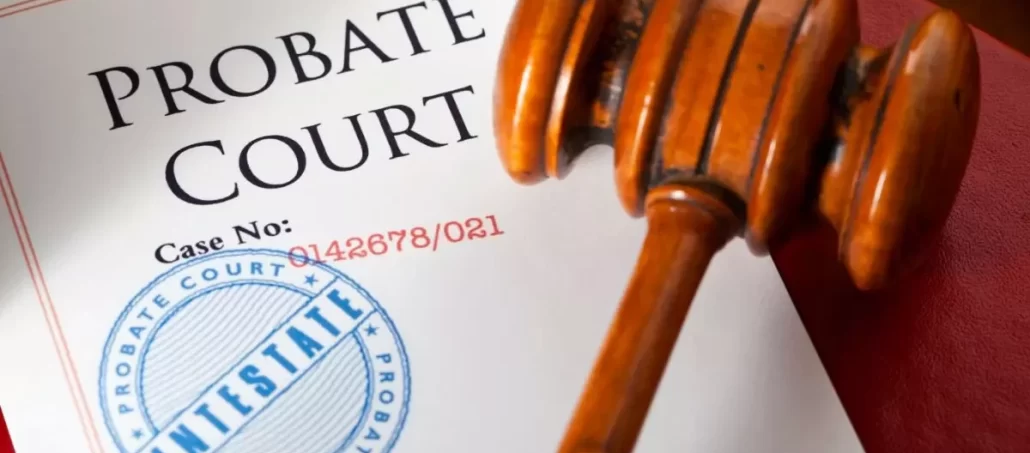
“Intestate” is when a decedent does not have a legally valid will. When a person dies intestate, California law governs the distribution of their estate. Intestate succession laws in California outline that surviving spouses or domestic partners, children, parents, siblings, or any next of kin not related to the decedent will inherit the estate. If probate is not able to locate any surviving kin, the estate may be added to the state’s funds.
When Probate Is Necessary in California
Probate is a legal process that may happen when someone passes away, and a court needs to oversee the distribution of their assets and settle any of their debts. There are many situations in which probate will be required in California.
- No Revocable Living Trust: A revocable living trust is a common tool used in estate planning to avoid probate for many of a person’s assets. If the decedent did not establish a revocable living trust during their lifetime, their estate will likely need to go through probate.
- Sole Ownership of Assets: If the decedent owned assets solely in their name without joint ownership or designated beneficiaries, probate will generally be required. This can include real estate, bank accounts, or personal property.
- No Beneficiary Designations: If certain assets, such as life insurance policies, retirement accounts, payable-on-death (POD), or transfer-on-death (TOD) accounts, do not have designated beneficiaries, they may need to go to probate.
- No Community Property With Right of Survivorship: In California, a right of survivorship allows spouses to automatically inherit each other’s shared property without probate. If there is no spouse, this property may need to go to probate.
- The Estate Is Worth More Than $184,500: California has simplified probate procedures if the estate is valued at less than $184,500. If it doesn’t fall under this amount, the estate may need to go to probate.
- Challenges or Disputes: Probate may be necessary if there are disputes among the decedent’s heirs, challenges to will validity, or other issues that might require the court’s intervention.
Preparing to Avoid Probate for Your Family
Proper planning is one of the most effective ways to avoid or lessen the impact of probate on your loved ones. This will involve careful estate planning to streamline the transfer of assets to your family without or with minimal court involvement.
A common thing to do is transfer your assets into a trust and designate beneficiaries, including real estate, bank accounts, and investments. This will establish a revocable living trust that will hold your assets during your lifetime. You may also consider putting assets into joint ownership, which will allow the asset to directly go to the surviving joint owner upon your passing.
It is essential to review and update your estate plan regularly, as life happens and things can change. Be sure to communicate with your family about your estate plan and the plans you made to help them avoid probate.
It is also recommended that you consult with an experienced Orange County probate lawyer who can provide guidance and support. They may also help you with drafting and updating documents to ensure compliance with California law.
FAQs
Q: What Happens If You Don’t Apply for Probate in California?
A: If you don’t apply for probate when it is required, there may be:
- Delayed asset distribution
- Legal complications
- Prolonged creditor claims
- Difficulty in transferring titles
- Voidance of certain property transfers
If you are the executor of the estate, it may even lead to civil penalties, criminal charges, and financial liabilities.
Q: Can You Skip Probate in California?
A: Yes, there are certain circumstances where probate may be bypassed. One is through pre-planning done by the decedent, such as:
- A revocable living trust
- Joint tenancy with right of survivorship
- Payable-on-death designations (POD)
- Transfer-on-death deeds (TOD)
- A spousal property petition
Probate may also be avoided if the estate is valued at $184,500 or less.
Q: Does a Will Have to Go Through Probate in California?
A: Typically, yes, as the probate process is used to validate and execute the will. It might not have to go through probate if the estate is valued at $184,500. Probate may also be unnecessary if there is a:
- Revocable living trust
- Joint ownership of property
- Beneficiary designations
- Spousal property partition
Q: Why Do You Want to Avoid Probate in California?
A: Many people want to avoid probate because:
- The process can be time-consuming and costly.
- There are privacy concerns, as probate is part of the public record.
- There is an increased likelihood of family conflicts.
The most effective way to avoid probate, or avoid a difficult experience in probate, is for you or your loved ones to plan ahead with estate planning strategies. It is recommended, although not required, to hire a lawyer for this.
Choose the Right Probate Lawyer for You
Navigating California’s probate and estate law is complex. Regardless of your or your loved one’s estate’s size, there will be important decisions to make. You should work with a probate attorney who understands what you are going through and can solve potential issues that may arise. At Quinn & Dworakowski, LLP, we have worked with families in the probate process for decades. Contact us today so we can discuss your case.


 By
By



 EN
EN  ES
ES  CN
CN  KO
KO